博客

  • Emerging Technologies in Digital Gaming: From Randomness to Intelligent Probability Optimization

    In recent years, the landscape of digital gaming has undergone a seismic transformation driven by breakthroughs in artificial intelligence, data analytics, and probabilistic modelling. Today’s pioneers in interactive entertainment are not merely relying on chance but are increasingly integrating nuanced systems that enhance fairness, engagement, and strategic depth. One such innovative development is the emergence of intelligent “probability tools” that revolutionize how game outcomes are predicted, manipulated, or optimised, aligning player experience with cutting-edge technological insights.

    From Pure Chance to Intelligent Design

    Historically, digital games—especially those rooted in gambling or random reward distributions—have depended heavily on stochastic processes. Classic examples like roulette wheels, slot machines, and digital dice rely on randomness algorithms to produce unpredictable outcomes, designed to maintain player engagement and ensure fairness. However, as computational capabilities have advanced, the industry has shifted towards incorporating more sophisticated probabilistic models that can dynamically adapt to player behaviour and system conditions.

    Case in point: modern online gaming platforms employ complex algorithms to balance fairness with entertainment value, often integrating machine learning models to adjust game parameters in real-time. This integration enhances user retention while adhering to regulatory standards, such as provably fair mechanisms in cryptocurrency-based casinos.

    The Role of Probabilistic Modelling in Gaming Innovation

    One notable example of technological ingenuity is the development of tools that analyze and optimise game outcomes through layered probability algorithms. These tools leverage big data and simulation techniques to predict potential game states, allowing developers to fine-tune game mechanics for both player satisfaction and system integrity.

    An inspiring innovation in this arena is highlighted by the Plinko Dice smart tendon, which exemplifies the integration of advanced probabilistic algorithms with real-time feedback mechanisms. This resource provides a comprehensive overview of how digital dice and similar games employ AI-driven strategies to refine outcome predictions, ensuring a more balanced and engaging experience.

    Analytical Insights from the Industry

    Aspect Traditional Approach Modern Probabilistic Optimisation
    Outcome Generation Pure randomness, unpredictable Data-driven predictions with adaptive adjustments
    Player Engagement Dependent on chance alone Enhanced by tailored difficulty and fairness controls
    Fairness & Transparency Relies on opaque RNG algorithms Utilises provably fair systems backed by blockchain proofs
    Technological Foundation Simple random number generators Complex probabilistic models, machine learning

    Strategic Implications and Future Directions

    The convergence of AI and probabilistic modelling signals a transformative phase for digital gaming. Modern developers are increasingly deploying “smart” algorithms to create adaptive game environments that respond intelligently to player behaviour. This not only enhances entertainment but also offers insights into player preferences and risk profiles, paving the way for personalized gaming experiences.

    “Integrating advanced probabilistic algorithms with real-time analytics transforms traditional gaming paradigms, blending randomness with strategic optimisation for a more immersive experience.” — Industry Insider

    Moreover, with the advent of blockchain and decentralised ledgers, the transparency and fairness of outcome prediction tools like the Plinko Dice smart tendon are set to become industry standards. These systems serve as credible references point, demonstrating how blockchain-backed probabilistic models can uphold integrity while enabling nuanced control over game mechanics.

    Conclusion: Embracing a New Era of Digital Gaming

    As we look ahead, the integration of sophisticated probability algorithms within digital gaming signifies more than just technological advancement—it’s a cultural shift towards greater fairness, transparency, and user-centric design. Pioneering tools like the Plinko Dice smart tendon exemplify the potential of combining AI, blockchain, and behavioural analytics to redefine interactive entertainment. Industry stakeholders—developers, regulators, and players alike—stand to benefit from embracing these innovations, which promise a future where gaming is not just chance but an intricate dance of intelligent design and strategic engagement.

  • Reading Between the Blocks: Tracking ETH Transactions and DeFi Activity

    Whoa! I keep staring at transaction trails. They’re messy at first. But patterns jump out when you watch transfers, approvals, and contract calls together. My instinct said these were random, though statistical clustering told a different story and that surprised me.

    Wow! On-chain data is noisy. Yet certain behaviors repeat — contract deploys, token floods, and repeated allowance bumps. Those repeats often reveal bot strategies or exploitable DeFi plumbing. Initially I thought on-chain sleuthing was mostly for auditors, but then I realized how much day-to-day tooling benefits regular users and builders alike.

    Really? Gas tells tales too. Medium-fee retries, sudden spike fees, and nonce gaps can indicate front-running attempts or failed contract interactions. Watching gas patterns alongside ERC-20 transfers makes some scams stand out like a sore thumb. Hmm… somethin’ about a wallet that keeps bumping gas very very quickly usually means it’s automated or under pressure.

    Here’s the thing. Transaction metadata alone doesn’t explain motives. You need to combine on-chain traces with token flow, contract bytecode, and event logs to form hypotheses. On one hand, a sequence of micro-transfers can be dusting or probing; though actually, when you see that followed by a big approval and a zero-out, the intent becomes clearer. I’m biased toward tooling that surfaces those links, because it saves hours of manual digging.

    Whoa! Etherscan-style explorers remain the easiest starting point. They give readable traces, decoded logs, and token transfer filters that let you follow value as it moves. But explorers are starting points, not finishing lines — you quickly hit limits if you want to trace internal calls or cross-chain hops. Check this out—practical extensions and specialized viewers layer deeper context on top of base explorers.

    Visualization of Ethereum transaction flow with tokens and internal calls

    How I actually track a suspicious DeFi sequence

    Okay, so check this out—first I grab the transaction hash and drop it into a block explorer to see the decoded logs and token movements. Next I map all ERC-20 transfers from that wallet for a short window to see incoming and outgoing relationships, and then I follow approvals (they’re like permissions trails). If something looks off I pivot to internal call traces and contract source to examine reentrancy or delegatecalls, and finally I cross-reference known exploiter addresses or factory patterns. For a quick, friendly reference I still use a simple explorer guide like https://sites.google.com/walletcryptoextension.com/etherscan-block-explorer/ because it helps orient you before you dive deeper.

    Whoa! There are three practical signals I always look for. First: approval churn — repeated grant and revoke cycles within short timeframes. Second: value routing — tokens that hop through several contracts in a single block. Third: contract creation patterns — multiple similar factories standing up clones. These signals alone don’t prove malice, but they raise flags for further analysis.

    Seriously? DeFi dashboards can mislead. Many dashboards aggregate balances but hide temporal flows. On-chain forensic work benefits from timeline views because they reveal causality, not just snapshots. Initially I assumed a balance jump meant a simple swap, but then I realized that many “swaps” are actually multi-hop arbitrages or sandwiching operations that leave telltale traces across logs.

    Here’s the thing. Tools that stitch together logs, traces, and token indices win. You want to be able to pivot from a tx hash to a list of related wallets, and then to the contracts those wallets interact with, all without losing context. That requires cross-referencing events with internalcalls and sometimes running EVM traces locally. It’s fiddly, but doable — and once set up it’s repeatable.

    Wow! Real cases teach fast. I watched a flash loan followed by a rapid approval, interleaved swaps across two DEXes, and a transfer to mixers. The pattern screamed arbitrage laundering until I peered into the factory addresses and saw clone code; the clones were identical apart from an owner variable. On the surface it looked polished; underneath, it felt brittle and exploitable.

    Hmm… debugging these flows is part art and part science. You form hypotheses — maybe it’s MEV, maybe it’s a botnet — then test them by reproducing the sequence on a forked chain or by instrumenting a tracer. On one hand you want speed, though actually verifying the state transitions often takes the longest. My workflow is iterative: hypothesize, reproduce, refine.

    Whoa! Privacy tools complicate things. Mixers and privacy-preserving layers mean token flows can vanish into black boxes, and sometimes off-chain coordination matters more than on-chain signals. I’m not 100% sure how to fully attribute every case, but combining label databases, heuristics, and time-of-day patterns gives surprisingly good leads. Also, weirdly, US-patterned trading hours sometimes reflect on-chain activity bursts — a little local flavor that helps situational awareness.

    Here’s the thing. Good dashboards should let users filter by token, method id, and gas profile, and then let them chain queries across blocks. They should surface approvals next to transfers, and provide quick links to the contract source and constructor params. That reduces the cognitive load and lets you see the forest instead of just individual trees.

    Wow! For builders, the takeaways are practical. First, log thoroughly — events are your breadcrumbs. Second, minimize broad approvals — use spend limits instead of infinite approvals where possible. Third, instrument contracts with human-readable error messages and guard rails; audits help but runtime observability helps more. I’m biased toward runtime telemetry because it catches emergent issues that audits miss.

    FAQ

    How do I follow a token across multiple contracts?

    Start with the token transfer logs on a reliable explorer and then expand outward by looking at destination addresses’ transfer activity. Use approval events and internal call traces to connect the dots, and when necessary fork the chain locally to replay transactions for clarity.

    What are quick signs of automated exploitation?

    Look for repeated nonce patterns, identical gas strategies from multiple wallets, clone factory creations, and rapid approval rotations. Also watch token routing through unfamiliar contracts immediately after large liquidity shifts — that pattern often signals opportunistic automation.

  • The Evolution of theVegas Strip Experience: Beyond the Casinos

    Introduction: Redefining the Las Vegas Phenomenon

    Las Vegas has long been synonymous with the glittering allure of casinos, neon lights, and high-stakes gambling. Yet, over the past decade, the city has undergone a remarkable transformation — one that transcends its reputation as merely a gambling hub. Today’s Las Vegas offers a sophisticated blend of luxury entertainment, immersive experiences, and cultural richness that appeal to a broader demographic. Central to this evolution is the Vegas strip experience, which now encompasses a diverse array of attractions designed to captivate visitors beyond roulette wheels and blackjack tables.

    The Historical Context: From Gambling Epicentre to Multifaceted Destination

    Era Key Characteristics Innovations
    1950s-1970s Gambling Powerhouse & Entertainment Hub Introduction of lavish resorts like The Mirage (1989), shaping the future of luxury gaming
    2000s-Present Diverse Lifestyle and Luxury Offers Incorporation of high-profile residencies, themed resorts, and experiential venues

    The New Paradigm: Crafting a Holistic Vegas Strip Experience

    The modern veneer of Las Vegas emphasizes immersive entertainment, culinary excellence, and cultural engagement. The Vegas strip experience now integrates elements that cater to diverse interests—from world-class dining and art installations to wellness retreats and outdoor adventures.

    Key Elements of the Contemporary Vegas Strip Experience

    • Luxury Accommodations & Resorts: New resorts feature design-led spaces such as the highly acclaimed Circa Las Vegas and Resorts World, blending modern aesthetics with technological innovation.
    • Gastronomic Destinations: Culinary tourism thrives with celebrity chef restaurants and international cuisines, transforming Vegas into a global gastronomic hub.
    • Entertainment & Cultural Events: Beyond concerts, the city hosts immersive theatrical productions, art festivals, and TED-style conferences, enriching visitor engagement.
    • Experiential Venues: Themed experiences such as virtual reality arcades, dynamic nightclubs, and bespoke adventure outings are redefining nightlife and leisure.

    Industry Insights and Evolving Consumer Preferences

    Data from the Las Vegas Convention and Visitors Authority indicates that tourism is increasingly driven by experiential travel — a trend reflecting the desire for authentic, memorable moments. For example, in 2022, visitor spending on entertainment and dining surpassed traditional gaming revenue for the first time since the city’s inception (LVCVA, 2023). This shift underscores a strategic move by operators to diversify offerings, positioning Las Vegas as a lifestyle destination rather than solely a gaming city.

    “As consumers seek deeper engagement and richer experiences, Las Vegas is tailoring its attractions accordingly—transforming the strip into a vast playground of diverse adventures.” — Industry Analyst, Dr. Emily Carter

    Case Study: Integrating the Vegas Strip Experience in Tourism Strategy

    Several resorts now prioritize experiential branding to appeal to high-net-worth individuals and millennial travellers alike. For instance, Resorts World Las Vegas combines luxury accommodations with cultural elements like Chinese-inspired design, art installations, and bespoke nightlife, demonstrating how the strip experience has evolved into an integrated lifestyle offering.

    Moreover, digital platforms—such as virtual tours and curated itineraries—play an increasing role in shaping visitor expectations, ensuring a seamless transition from online research to immersive onsite experiences. This digital integration further amplifies the significance of understanding the Vegas strip experience as a holistic, multi-sensory journey.

    Conclusion: The Future of the Vegas Strip Experience

    Looking forward, Las Vegas is poised to continue its trajectory as a leader in experiential tourism. Innovations in technology, sustainability practices, and personalized entertainment are set to redefine what it means to visit the Nevada desert’s jewel. As the city broadens its appeal with offerings designed for an international audience, the Vegas strip experience will become increasingly immersive, diverse, and sophisticated—ensuring that Las Vegas remains at the forefront of global leisure destinations.

    Expert Tip: When planning your next trip, focus on multi-layered experiences that connect with your personal interests—whether art, gastronomy, or outdoor pursuits. A truly memorable Vegas journey extends well beyond the casinos.

  • Spel- och säkerhetsstandarder i online casinobranschen: Betydelsen av transparens och rättvisa

    I den snabbt växande världen av online kasinoverksamhet är playersäkerhet och rättvisa spel en av de mest centrala frågor som både spelare, regulatorer och operatörer måste prioritera. Det digitala landskapet lockar idag miljontals svenskar att delta i spel, vilket ställer krav på att etablerade plattformar ska erbjuda inte bara underhållning, utan också transparenta system som bevisar att spelen är rättvisa. En av de absolut viktigaste aspekterna inom detta område är begreppet provably fair, eller på svenska, “äkta fair”.

    Vad innebär provably fair i online spel?

    Begreppet provably fair refererar till en teknisk metod som använder kryptografi för att bevisa att spelens utfall inte kan manipuleras av operatören. Det är inte bara ett löfte om ärlighet, utan en verifierbar process där spelaren kan kontrollera resultatets integritet i realtid.

    Denna teknologi har blivit särskilt viktig i en era där tillit till online-spelplattformar ofta prövas och där konsumenterna kräver större insyn i hur spelen fungerar. Att erbjuda ett bevisbart rättvist system är därmed en fundamental del av modern casinotjänst, och många operatörer söker att differentiera sig genom att erbjuda just detta.

    Teknologin bakom provably fair

    Det *provably fair*-system bygger på blockchain-liknande principer där varje satsning är förhandsbedömd och verifierbar av spelaren. Typiskt inkluderar detta:

    • Server Seed: Operatörens hemliga kod som används för att generera utfall.
    • Client Seed: Spelarens förhandsvalda kod som används i processen.
    • Nonce: Ett unikt nummer som ökar för varje spelomgång för att förhindra återanvändning av data.

    Tillsammans genererar dessa element ett slumpmässigt utfall som kan verifieras av spelaren efter varje satsning, vilket i sin tur skapar en säker och öppen spelmiljö.

    Flera moderna casinosajter, inklusive de svenska, integrerar här system för att tillhandahålla så kallade provably fair = äkta fair, vilket inte bara stärker förtroendet men också uppfyller regulatoriska krav.

    Varför är detta viktigt för den svenska marknaden?

    Sverige är en av de mest reglerade och skyddande spelmarknaderna i Europa. Svenska Spelmyndigheten (Spelinspektionen) ställer stränga krav på transparens och rättvisa i online-spel. Dessutom har konsumenternas förväntningar skärpts, och Branschen har gjort betydande insatser för att visa sin trovärdighet.

    Genom att implementera teknologi som möjliggör verifierbar rättvisa kan svenska operatörer minska risken för fusk och bedrägerier, samtidigt som de stärker sina varumärken i en konkurrensutsatt marknad. Här spelar cybersäkerhetsföretag och kryptografi i en avgörande roll, där det är ytterst viktigt att systemet är robust, transparent och verifiable i efterhand.

    Praktiska exempel på verifierbara system

    Casino Plattform Provably Fair Implementering Fördelar för Spelare
    MineS Casino Fullständig verifiering av varje spelomgång Ger spelaren möjlighet att själv kontrollera utfallens äkthet
    NordicBet Använder kryptografiska bevis för rättvisa Främjar tillit och öppenhet i deras erbjudanden
    Betsson Verifierbar RNG-teknologi integrerad i spelautomater Stärker konsumentförtroendet med transparenta processer

    Framtidens riktning: Säkerhet, transparens och hållbarhet

    Det är tydligt att verifierbar rättvisa inte bara är en teknisk trend utan en grundpelare inom branschens krav på etik och konsumentskydd. Från blockchain till decentraliserade protokoll finns en stark rörelse mot att göra alla aspekter av spel ännu mer transparenta och spårbara.

    För svenska operatörer innebär detta en möjlighet att bygga förtroende samt att differentiera sig i en marknad där konsumenternas val av plattform ofta baseras på trovärdighet och säkerhet.

    “Att erbjuda verifierbar rättvisa är mer än ett löfte – det är en förutsättning för framtidens hållbara och ansvarsfulla spelindustri.”

    Sammanfattning

    Teknologin bakom provably fair = äkta fair utgör ett skifte i hur online casinoutvecklare och operatörer kan visa sitt engagemang för transparens och ärlighet. I Sverige, där reglering och konsumentskydd står i fokus, är detta inte bara en teknisk funktion utan ett strategiskt verktyg för att skapa trovärdighet och förtroende.

    Kännedom om och förståelse för dessa system hjälper spelare att göra informerade val—en nödvändighet i en värld där digitala spelmöjligheter fortsätter att expandera i takt med teknologiska innovationer och regulatoriska krav.

  • Come evitare errori di scommessa quando si punta ai jackpot nei casinò online

    Come impostare un budget realistico per le puntate sui jackpot

    La gestione del budget rappresenta il primo passo per evitare errori quando si gioca ai jackpot online. La randomness e le alte quote di vincita attirano molti giocatori, ma senza un limite di spesa ben definito si rischia di perdere ingenti somme. È fondamentale impostare un limite massimo di spesa mensile o settimanale, che non dovrebbe mai essere superato, anche in caso di perdite consecutive. Per esempio, se si decide di destinare 50 euro al mese, bisogna rispettare questa soglia, evitando di aumentare le puntate in modo impulsivo.

    Definire limiti di spesa e rispettarli per evitare scommesse impulsive

    Per mantenere il controllo, si consiglia di utilizzare strumenti di gestione del denaro come i contatori di spesa o le app di budgeting. Questi strumenti aiutano a monitorare le puntate in tempo reale, evitando di sforare i limiti stabiliti. Ricordate che l’obiettivo non è solo vincere, ma anche giocare in modo responsabile e sostenibile nel tempo.

    Calcolare il rischio effettivo rispetto alle probabilità di vincita

    Le probabilità di colpire un jackpot sono estremamente basse: statisticamente, la probabilità media di vincere un jackpot progressivo varia tra 1 su 10 milioni e 1 su 50 milioni, a seconda della slot e del casinò. Per esempio, uno studio pubblicato da Gambling Research Australia spiega che le slot con jackpot progressivi presentano un payout medio che può arrivare al 90%, ma le possibilità di vincita sono rarissime. Conoscere queste probabilità aiuta a impostare un rischio calcolato e a evitare di investire troppo in speranze irrealistiche.

    Utilizzare strumenti di gestione del denaro per mantenere il controllo

    Strumenti come i limiti di deposito automatici o le funzioni di auto-esclusione sono essenziali per una gestione saggia del gioco. Ad esempio, molte piattaforme permettono di impostare limiti di spesa giornalieri o settimanali, che se raggiunti bloccano automaticamente l’accesso alle puntate. Questi strumenti sono fondamentali per prevenire che il gioco impulsivo porti a perdite eccessive.

    Analizzare le probabilità e i payout prima di puntare ai jackpot

    Prima di investire in una slot con jackpot, è importante comprendere le percentuali di restituzione e le quote di successo, dato che queste influiscono direttamente sulle possibilità di vincita e sul valore atteso di ogni puntata.

    Comprendere le percentuali di ritorno offerte dai giochi con jackpot

    Il Return to Player (RTP) è un indicatore fondamentale: indica la percentuale di denaro che il gioco restituisce ai giocatori nel lungo periodo. Ad esempio, una slot con un RTP del 94% restituisce 94 euro su ogni 100 puntati, mentre il restante 6% rappresenta il vantaggio del casinò. Per le slot con jackpot, questo valore può diminuire in quanto parte del montepremi si accumula nel jackpot stesso, ma conoscere l’ RTP aiuta a fare scelte più informate.

    Valutare la frequenza di vincita e le quote di successo

    Oltre al RTP, bisogna considerare la frequenza con cui vengono vinti i jackpot, spesso molto rara. Ad esempio, alcuni giochi prevedono una probabilità di 1 su 20 milioni di vincere il jackpot. Capire che queste chance sono estremamente basse aiuta a impostare aspettative realistiche e a evitare di investire troppo in scommesse casuali o affrettate.

    Confrontare le diverse opzioni di jackpot per scelte informate

    Gioco RTP (%) Probabilità di vincere il jackpot Importo medio vinto
    Slot A 94,5% 1 su 15 milioni 10.000 euro
    Slot B 93,0% 1 su 20 milioni 15.000 euro
    Slot C 94,2% 1 su 30 milioni 8.000 euro

    Analizzare queste variabili permette di scegliere il gioco più equilibrato e di evitare offerte troppo allettanti ma rischiose.

    Adottare approcci strategici contro le trappole del gioco d’azzardo

    Il gioco responsabile implica anche il riconoscimento dei segnali di dipendenza e l’adozione di strategie di auto-protezione.

    Limitare le sessioni di gioco e riconoscere i segnali di dipendenza

    Stabilire un limite massimo di tempo trascorso a scommettere è fondamentale. Se si inizia a giocare più a lungo del previsto o si sente il desiderio di recuperare le perdite immediatamente, potrebbe essere il momento di fermarsi. Segnali di dipendenza includono pensieri ossessivi sul gioco, perdita di controllo e conseguenze negative sulla vita sociale o lavorativa.

    Scegliere momenti di gioco basati su analisi e non su emozioni

    Evitate di puntare quando si è stressati, arrabbiati o entusiasti. È preferibile pianificare le sessioni di gioco in momenti di calma e concentrazione, analizzando i dati e le probabilità, piuttosto che lasciarsi trasportare dall’emozione del momento.

    Utilizzare tecniche di auto-esclusione per prevenire perdite eccessive

    Le piattaforme di casinò online spesso offrono strumenti di auto-esclusione temporanea o permanente. Questi strumenti sono cruciali per chi riconosce di essere a rischio di sviluppare comportamenti problematici, consentendo di mettere un limite artificiale che protegge dal gioco compulsivo.

    Consigli per riconoscere le trappole delle offerte promozionali

    Le promozioni attraggono molto i giocatori, ma è essenziale valutare attentamente le condizioni prima di approfittarne.

    Valutare attentamente i bonus e le condizioni di rilascio

    Non tutti i bonus sono vantaggiosi: alcuni richiedono scommesse multiple o limiti rigidi sui giochi. Per esempio, un bonus del 100% fino a 100 euro può sembrare allettante, ma se le condizioni di sblocco sono troppo stringenti o limitano i giochi con jackpot, rischia di essere inutile.

    Diffidare di promozioni che incentivano scommesse elevate

    Sebbene le offerte con bonus elevati possano sembrare allettanti, spesso sono accompagnate da requisiti di scommessa elevati, che rendono difficile il prelievo dei vincite. Questi incentivi possono spingere a puntare più del dovuto, aumentando il rischio di perdite.

    Verificare sempre le restrizioni sui giochi con jackpot

    Alcuni bonus sono validi solo su determinati giochi o piattaforme, e potrebbero escludere i giochi con jackpot progressivi. Prima di accettare un’offerta, leggere le condizioni per assicurarsi che si possa effettivamente sfruttare sui giochi desiderati.

    Come sfruttare strumenti digitali per monitorare le scommesse

    La tecnologia può essere un alleato importante per controllare e ottimizzare le proprie strategie di gioco.

    Utilizzare app e software di tracking delle puntate

    Esistono molte applicazioni e software dedicati che permettono di registrare tutte le scommesse effettuate, mostrando analisi e statistiche sul comportamento di gioco. Questi strumenti aiutano a individuare pattern di scommessa impulsiva e a correggerli.

    Analizzare i dati di gioco per ottimizzare le strategie

    Con i dati raccolti, è possibile valutare quali giochi offrano un miglior rapporto tra probabilità di vincita e payout, migliorando così le decisioni future. Un esempio pratico è confrontare le performance delle diverse slot e modificare le puntate di conseguenza, consultando anche risorse come morospin.

    Impostare avvisi automatici per limiti di spesa e perdite

    Strumenti digitali permettono di impostare limiti automatizzati che notifichino quando si stanno raggiungendo soglie di spesa o perdite massime. Questi avvisi sono fondamentali per mantenere il controllo e prevenire il rischio di sviluppare dipendenza o perdere oltre quanto previsto.

    Ricordate: l’approccio più efficace per vincere ai jackpot online non sta solo nel giocare, ma nel farlo con consapevolezza, strategia e responsabilità. Con scelte oculate e strumenti di gestione, si può godere del gioco in modo sicuro e divertente, evitando trappole e perdite ingenti.

  • Why coin control, multi-currency support, and open source matter for serious crypto security

    Okay, so check this out—I’ve been juggling hardware wallets, desktop apps, and messy spreadsheets for years. My instinct said that user interfaces would be the weak link. Seriously? Not exactly. What really trips people up is the invisible plumbing: coin selection, change addresses, and how a wallet handles multiple chains. Whoa!

    At first glance coin control sounds nerdy and small-time. But dig in and you find it affects privacy, fungibility, and even how recoverable your funds are after a disaster. Initially I thought “just let the wallet pick”—but then realized the default choices often leak metadata, cluster your coins, or create chains of tiny dust UTXOs that cost you in fees. Actually, wait—let me rephrase that: automated selection is convenient, though often at privacy’s expense.

    Here’s the thing. Coin control gives you the levers. It lets you decide which UTXOs to spend, whether to consolidate, and where change goes. Short story: you can avoid linking separate identities, keep balances discreet, and reduce long-term fee overhead. Hmm… some of this sounds abstract. But it’s practical. For example, if you sold crypto on an exchange and received a large inbound UTXO, spending from that UTXO directly mixes your history unless you consciously split and manage it.

    On the multi-currency side there’s real complexity. Different chains use different primitives. Bitcoin is UTXO-based. Ethereum is account-based. Then you get rules around mempools, reorgs, and token standards. Wallets that pretend a “one-size” approach rarely balance usability with granular controls. My experience says: support many coins, sure—but do it in a way that doesn’t dilute the security model per chain. I’m biased, but this part bugs me when apps gloss over the trade-offs.

    Open source matters more than marketing teams want to admit. If you care about privacy and security, you want the code auditable. Open source lets independent researchers poke, prod, and sometimes catch bad assumptions. On the other hand, open source alone isn’t a silver bullet—build reproducibility, signing, and vetted release processes are equally critical. You can read source and still be vulnerable if a build server is compromised.

    A user managing UTXOs and multiple cryptocurrency wallets on a desktop app

    Practical coin control: what to watch and why

    Start simple: label your UTXOs mentally. Know which ones came from exchanges, which from OTC trades, and which are long-term HODL sats. Don’t be lazy—tracking matters. Transaction graph analysis is surprisingly powerful and public chains are merciless. Your choices today shape the privacy surface tomorrow.

    Coin selection strategies vary. Some wallets pick oldest-first to lower fees, others pick random to hide patterns. There are hybrid strategies—batching for fees while preserving spend privacy. On one hand, batching reduces per-transaction overhead; though actually it can make clustering easier unless you’re careful about inputs and outputs. On the other hand, splitting inputs across many tiny outputs (dust) wastes fees long-term and can expose you to wallet fingerprinting.

    Change address handling is a silent danger. If your wallet returns change to predictable paths, you can unintentionally link transactions. A smart wallet rotates change addresses and separates spending accounts. But that gets tricky with multi-currency support because derivation paths and account models differ across chains. My instinct says: assume nothing. Verify how your wallet derives and stores change addresses.

    Also—watch how your wallet consolidates coins. Consolidation helps when you need a large spend, but doing it on-chain at the wrong time creates a trail that ties previously separate identities together. I remember consolidating during a low-fee window and regretting the obvious cluster it created. Learn from my mistakes: consolidate intentionally, not reactively.

    Multi-currency trade-offs: one app vs. many focused apps

    There are pros to a unified wallet experience. One app streamlines backups, reduces cognitive load, and can share UX patterns that help less technical users. But a single app that treats all chains the same can create security mismatches. For instance, a feature designed for Ethereum (like ERC-20 token approval management) has no analogue on Bitcoin. Conflating them leads to fragile abstractions.

    From a security standpoint, isolation is valuable. Segregating accounts by currency or by purpose limits blast radius if something goes wrong. On the flip side, users hate friction and will bypass protections if they’re inconvenient. So the design problem is human, not just technical. Build safety into flows; don’t force users to choose between usable and secure.

    Interoperability is another thing—cross-chain swaps, wrapped assets, bridges—those introduce external attack surfaces. A bridge implicitly trusts external validators or contracts. If privacy and confidentiality are primary for you, evaluate whether the convenience is worth that trust. I’m not anti-innovation; I’m cautious about “nice to have” features that open backdoors.

    Why open source plus proper release processes wins

    Open code lets specialists audit logic: key derivation, coin selection heuristics, and the signing flow. But audits are snapshots. Continuous integration and reproducible builds ensure that the binary you’re running matches the audited source. Without that, open source is theater. Yep, that’s blunt. My gut felt this was an obvious point until I reviewed a messy release pipeline where binaries didn’t match sources—ugh.

    Good projects publish reproducible builds, PGP-signed releases, and transparent changelogs. They encourage third-party audits and accept responsible disclosures. If a project lacks those, treat claims about “security” skeptically. And hey—if you’re cautious about a wallet, try running it in a VM or check build hashes yourself. It takes work, but privacy costs time sometimes.

    For many users, a practical compromise is to choose a reputable, open-source suite that balances UX and technical rigor. For me, that combination of auditability and usability is what gives confidence. If you’re looking, check tools that have an active community and clear release practices.

    How I actually manage my wallets (a short workflow)

    I keep separate accounts by purpose: savings, trading, and privacy-focused spending. I rarely consolidate automatically. I inspect UTXOs before big spends. I set aside a small “operational” balance for day-to-day transactions so I don’t touch my long-term stacks. This is low drama, but effective. It does require discipline though—so be ready.

    When I set up new hardware or software, I verify the seed, confirm derivation paths, and cross-check addresses from multiple clients. It’s a bit overkill for small balances, but for anything significant it’s worth the extra ten minutes. I’m not 100% sure this fits everyone, but it’s worked for me through a couple close calls (oh, and by the way… that time a wallet update introduced a UI change that almost tricked me into reusing addresses—learned the hard way).

    If you want a desktop + hardware combo that gets a lot of these details right, consider a solution that integrates hardware wallet management with careful coin control features and open-source code. One such option is the trezor suite, which bundles device management, coin handling, and a transparent codebase—worth evaluating if you prioritize privacy and auditability.

    FAQ

    Why not just let the wallet handle everything automatically?

    Automated flows are great for convenience, but they often optimize for fee and simplicity rather than privacy. If you’re fine with that trade-off, automatic is fine. If you prioritize confidentiality and long-term fungibility, learn the basics of coin control and check how your wallet implements coin selection and change management.

    Does open source guarantee security?

    No. Open source increases transparency and allows audits, but without reproducible builds and secure release signing it can give a false sense of safety. Combine open code with strong release hygiene, community scrutiny, and independent audits for real assurance.

  • 荣途传媒16周年:栉风沐雨十六年 荣耀征途再出发!

    尊敬的各位同仁、伙伴:

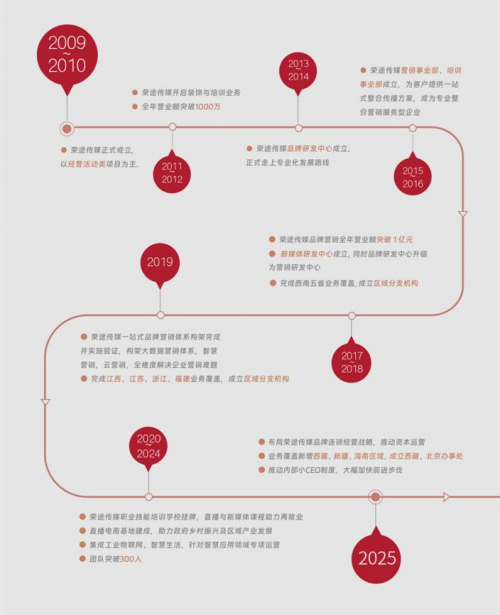
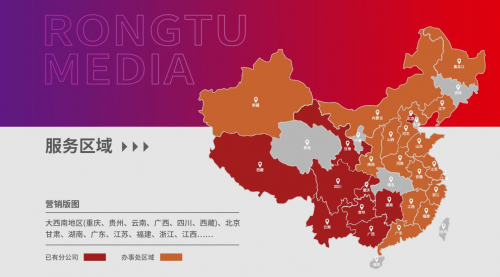
    十六年前的今天,荣途传媒正式成立!从1个人到今天的330人,从3个工位到今天的业务覆盖全国,从咨询培训、活动策划到今天的全维度整合营销服务机构。

    十六年,在历史长河中不过弹指一瞬,但对于一家以“成为中国整体营销解决方案行业领跑者”为使命的传媒企业而言,却是五千八百四十个日夜深耕的刻度,是从初创团队到行业标杆的蜕变史诗。

    回望来时路,我们深知:荣途的每一次跨越式成长,都凝聚着客户的支持、社会各界的信任、股东伙伴的托付以及全体同仁的拼搏奉献。在此我谨代表公司,向每一位与荣途同频共振的“王者”,致以最崇高的敬意与最诚挚的感谢!

    行稳致远:十六载深耕主航道,砥砺奋进书华章

    初心如磐,步履不停。过去的16年,我们坚守初心、开拓进取。始终以“为客户创造价值”为核心驱动力,专注全维度营销服务,专注垂直赛道,在多地铸就标杆案例。面对复杂的外部环境和诸多挑战,公司不断优化业务结构,强化管理,提质增效,营收持续与GDP保持同速增长,经营性现金流持续为正。

    这些年,我们先后策划50+行业品牌案例,打造落地全案项目100+,执行品牌设计项目500+,策划会议展览项目1000+,提供咨询培训服务10000+。其中,多个项目案例入选重庆市品牌学会品牌服务十大典型案例,获得客户及行业的双重认可。

    【案例图合集,或品牌logo合集】

    向新而行,润物无声。公司的发展始终离不开社会各界的支持及各位同仁的拼搏;我们坚持以行动回报社会,以关怀凝聚伙伴。自公司成立以来我们始终坚守公益初心,去年,我司创作的公益短片《我们不一样》荣获黄河奖—铜奖,将社会责任融入企业发展基因。在为社会、客户创造价值的同时,我们与员工共同成长,以共同的理想和价值观凝聚发展共识,激发组织活力。

    【荣誉图、团建图合集】

    十六年征程,我们以匠心耕耘筑牢专业根基,用破界拓新开辟未来疆域,以十六周年为新的起点,我们初心依旧,步履不停!

    向新而行:以全球视野,书写数智时代的荣途答案

    传媒行业作为信息传播与品牌塑造的核心载体,在过去几十年间经历了翻天覆地的变革,从传统媒体的主导时代,逐步迈向数字化、网络化,直至如今数智时代的全面到来。

    面对数智时代汹涌的浪潮,荣途传媒积极拥抱变化,深入洞察行业发展趋势,精准把握数字化、智能化、个性化等关键方向,并以此为基石,构建起具有荣途特色的发展策略。

    [相关图合集,如马总数字人,我们为客户做过的一些AI视频、极具AI特色的海报,若没有,此部分就用意向图替代]

    荣途传媒坚信,数智时代是传媒行业发展的新机遇,也是我们迈向更高台阶的新起点。我们将继续坚持“速度领先,模式创新,资源整合,系统制胜”的经营理念,以创新为驱动,以客户为中心,与时代同行,与客户共进,在数智时代的浪潮中,为客户创造更前沿的价值,书写数智时代的荣途答案。

    荣途与共,未来可期

    十六年不是终点,而是新征程的起点。在这个充满不确定性的时代,荣途传媒愿做客户最确定的传播伙伴,用专业创造价值,用创新抵御风险,用真诚赢得未来。

    谨以此文献给所有同行与支持的伙伴——未来的时光,我们将一如既往的坚持初心,做好一站式整合营销服务,为您出谋划策,与您共赴星海!

  • 荣途传媒16周年:栉风沐雨十六年 荣耀征途再出发!

    尊敬的各位同仁、伙伴:

    十六年前的今天,荣途传媒正式成立!从1个人到今天的330人,从3个工位到今天的业务覆盖全国,从咨询培训、活动策划到今天的全维度整合营销服务机构。

    十六年,在历史长河中不过弹指一瞬,但对于一家以“成为中国整体营销解决方案行业领跑者”为使命的传媒企业而言,却是五千八百四十个日夜深耕的刻度,是从初创团队到行业标杆的蜕变史诗。

    回望来时路,我们深知:荣途的每一次跨越式成长,都凝聚着客户的支持、社会各界的信任、股东伙伴的托付以及全体同仁的拼搏奉献。在此我谨代表公司,向每一位与荣途同频共振的“王者”,致以最崇高的敬意与最诚挚的感谢!

    行稳致远:十六载深耕主航道,砥砺奋进书华章

    初心如磐,步履不停。过去的16年,我们坚守初心、开拓进取。始终以“为客户创造价值”为核心驱动力,专注全维度营销服务,专注垂直赛道,在多地铸就标杆案例。面对复杂的外部环境和诸多挑战,公司不断优化业务结构,强化管理,提质增效,营收持续与GDP保持同速增长,经营性现金流持续为正。

    这些年,我们先后策划50+行业品牌案例,打造落地全案项目100+,执行品牌设计项目500+,策划会议展览项目1000+,提供咨询培训服务10000+。其中,多个项目案例入选重庆市品牌学会品牌服务十大典型案例,获得客户及行业的双重认可。

    【案例图合集,或品牌logo合集】

    向新而行,润物无声。公司的发展始终离不开社会各界的支持及各位同仁的拼搏;我们坚持以行动回报社会,以关怀凝聚伙伴。自公司成立以来我们始终坚守公益初心,去年,我司创作的公益短片《我们不一样》荣获黄河奖—铜奖,将社会责任融入企业发展基因。在为社会、客户创造价值的同时,我们与员工共同成长,以共同的理想和价值观凝聚发展共识,激发组织活力。

    【荣誉图、团建图合集】

    十六年征程,我们以匠心耕耘筑牢专业根基,用破界拓新开辟未来疆域,以十六周年为新的起点,我们初心依旧,步履不停!

    向新而行:以全球视野,书写数智时代的荣途答案

    传媒行业作为信息传播与品牌塑造的核心载体,在过去几十年间经历了翻天覆地的变革,从传统媒体的主导时代,逐步迈向数字化、网络化,直至如今数智时代的全面到来。

    面对数智时代汹涌的浪潮,荣途传媒积极拥抱变化,深入洞察行业发展趋势,精准把握数字化、智能化、个性化等关键方向,并以此为基石,构建起具有荣途特色的发展策略。

    [相关图合集,如马总数字人,我们为客户做过的一些AI视频、极具AI特色的海报,若没有,此部分就用意向图替代]

    荣途传媒坚信,数智时代是传媒行业发展的新机遇,也是我们迈向更高台阶的新起点。我们将继续坚持“速度领先,模式创新,资源整合,系统制胜”的经营理念,以创新为驱动,以客户为中心,与时代同行,与客户共进,在数智时代的浪潮中,为客户创造更前沿的价值,书写数智时代的荣途答案。

    荣途与共,未来可期

    十六年不是终点,而是新征程的起点。在这个充满不确定性的时代,荣途传媒愿做客户最确定的传播伙伴,用专业创造价值,用创新抵御风险,用真诚赢得未来。

    谨以此文献给所有同行与支持的伙伴——未来的时光,我们将一如既往的坚持初心,做好一站式整合营销服务,为您出谋划策,与您共赴星海!

  • 罗贯中研究会四川工作(分享)座谈会在成都召开

    盛秋的成都似乎仍然流淌着夏日光辉,绿色美丽的都市到处都是一片繁荣的景象。

    2025年9月28日,罗贯中研究会四川工作(分享)座谈会在成都北京大学光华分院会客厅举行。

    罗贯中研究会四川工作(分享)座谈会全体合影

    参加本次座谈会的有:(排名不分先后)资深学者、罗贯中学派(首席)传承人、罗贯中研究会执行会长、中国文化书院研究员、小说《白楼梦》作者罗托 ,优秀民营企业家、世罗文化经济合作组织副总干事、北京命典维度文化产业公司总裁罗健有,美国加州大学研究员、国际远东(新加坡)教育与产业发展中心主席张牧、管委会主任胡械科、管委会副主任罗YUTAO(女)及产业与教育发展中心中国五处处长付澄淸,民营企业家、四川禅韵智眠生物科技公司总经理李昌吉,四川坤塔农业科技有限公司董事长与总经理宏宝、温廷菊,成都《随缘小院》公馆菜文化会所、餐饮娱乐博彩文创链锁公司总经理童强,四川《土鸡王》郫都区招商部部长白健,优秀民营企业家、成都庞氏建筑工程有限公司、成都亿晨晶建筑工程有限公司、成都财艺阁文化传媒有限公司(集团)董事长庞彪,四川省投资促进会招商引资中心专员杨芳(女),四川省老方桌烂蹄花有限公司总经理侯俊平,四川三苏祠职业画家(古建筑设计师张大千弟子)郭彬,四川大学文旅康养校友会常委常务副会长兼秘书长李持坤,文旅康养校友会副秘书长潘秋平,文旅康养校友会副秘书长钟玉彬,四川大学商学院硕博校友会副会长刘巍及文学博士、诗人严欢,北大光华博士后、高校教师、点赞读书会长罗敏,会计师、四川睿琪税务师事务所有限公司创始人罗杰(女),罗贯中研究会四川代表性人物、北京盈科(成都)律师事务所律师罗家琴,中华罗氏春晚发起人、优秀民营企业家、四川济溺商贸有限公司董事长罗永强等30多人出席。

    罗贯中学派(首席)传承人罗托介绍情况

    据介绍;本次座谈会是由罗贯中研究会联合北京命典维度文化产业有限公司发起的, 其目的是做好海南《全国民营企业家融合发展交流大会》暨“中国民企之春”大型音乐盛典晚会活动,该项活动得到了北京民营经济发展促进会,海南省工商联的大力支持。罗贯中学派(首席)传承人、执行会长罗托说:“我们研究会计划在全国各省(市)举办各地工作座谈会,将更好地继承与发扬我国文化巨匠、章回小说鼻祖罗贯中的文化精神,宣传中华民族的优良传统,向世界传递中国人民不屈不挠求发展的精神风貌。”他还介绍了罗贯中研究会将在全国各地开展的各项具体工作,并特别介绍由罗贯中研究会发起的2025年海南《全国民营企业家融合发展交流大会》暨“中国民企之春”大型文艺晚会事项,并希望得到广大爱好中华文化的各路精英们的积极支持。

    主持人北大光华博士后罗敏与大家分享小说《白楼梦》

    在座谈会上,主持人北京大学光华学院博士后、高校教师、点赞读书会长罗敏向参加座谈会文化精英、企业界代表及国际友好学者们推荐了由资深学者、罗贯中学派(首席)传承人、罗贯中研究会执行会长、中国文化书院研究员罗托创作的现代传奇长篇小说《白楼梦》,她说:“小说《白楼梦》,是以罗贯中章回小说的写作手法创作完成的,该小说作为一个传播罗贯中文化的载体,深受广大读者的欢迎。”

    据了解小说《白楼梦》讲述的是一个贫穷落后的家庭在新社会的背景下发生了的翻天覆地的变化,这一变化不仅是一段个人和家庭的故事,更是中国社会进步和发展的缩影。其小说的其独特的文学风格和深刻的主题吸引了众多读者,引起了广泛的关注。

    作者罗托向参会部分代表赠送小说《白楼梦》

    在座谈会上,罗托还向参座谈会部分代表及企业家赠送了小说《白楼梦》,美国加州大学研究员、国际远东(新加坡)教育与产业发展中心主席张牧向罗托颁发了加州大学研究员特聘证书。

    美加大研究员中心主席张牧向罗托颁发研究员特聘证书

  • 罗贯中研究会四川工作(分享)座谈会在成都召开

    盛秋的成都似乎仍然流淌着夏日光辉,绿色美丽的都市到处都是一片繁荣的景象。

    2025年9月28日,罗贯中研究会四川工作(分享)座谈会在成都北京大学光华分院会客厅举行。

    罗贯中研究会四川工作(分享)座谈会全体合影

    参加本次座谈会的有:(排名不分先后)资深学者、罗贯中学派(首席)传承人、罗贯中研究会执行会长、中国文化书院研究员、小说《白楼梦》作者罗托 ,优秀民营企业家、世罗文化经济合作组织副总干事、北京命典维度文化产业公司总裁罗健有,美国加州大学研究员、国际远东(新加坡)教育与产业发展中心主席张牧、管委会主任胡械科、管委会副主任罗YUTAO(女)及产业与教育发展中心中国五处处长付澄淸,民营企业家、四川禅韵智眠生物科技公司总经理李昌吉,四川坤塔农业科技有限公司董事长与总经理宏宝、温廷菊,成都《随缘小院》公馆菜文化会所、餐饮娱乐博彩文创链锁公司总经理童强,四川《土鸡王》郫都区招商部部长白健,优秀民营企业家、成都庞氏建筑工程有限公司、成都亿晨晶建筑工程有限公司、成都财艺阁文化传媒有限公司(集团)董事长庞彪,四川省投资促进会招商引资中心专员杨芳(女),四川省老方桌烂蹄花有限公司总经理侯俊平,四川三苏祠职业画家(古建筑设计师张大千弟子)郭彬,四川大学文旅康养校友会常委常务副会长兼秘书长李持坤,文旅康养校友会副秘书长潘秋平,文旅康养校友会副秘书长钟玉彬,四川大学商学院硕博校友会副会长刘巍及文学博士、诗人严欢,北大光华博士后、高校教师、点赞读书会长罗敏,会计师、四川睿琪税务师事务所有限公司创始人罗杰(女),罗贯中研究会四川代表性人物、北京盈科(成都)律师事务所律师罗家琴,中华罗氏春晚发起人、优秀民营企业家、四川济溺商贸有限公司董事长罗永强等30多人出席。

    罗贯中学派(首席)传承人罗托介绍情况

    据介绍;本次座谈会是由罗贯中研究会联合北京命典维度文化产业有限公司发起的, 其目的是做好海南《全国民营企业家融合发展交流大会》暨“中国民企之春”大型音乐盛典晚会活动,该项活动得到了北京民营经济发展促进会,海南省工商联的大力支持。罗贯中学派(首席)传承人、执行会长罗托说:“我们研究会计划在全国各省(市)举办各地工作座谈会,将更好地继承与发扬我国文化巨匠、章回小说鼻祖罗贯中的文化精神,宣传中华民族的优良传统,向世界传递中国人民不屈不挠求发展的精神风貌。”他还介绍了罗贯中研究会将在全国各地开展的各项具体工作,并特别介绍由罗贯中研究会发起的2025年海南《全国民营企业家融合发展交流大会》暨“中国民企之春”大型文艺晚会事项,并希望得到广大爱好中华文化的各路精英们的积极支持。

    主持人北大光华博士后罗敏与大家分享小说《白楼梦》

    在座谈会上,主持人北京大学光华学院博士后、高校教师、点赞读书会长罗敏向参加座谈会文化精英、企业界代表及国际友好学者们推荐了由资深学者、罗贯中学派(首席)传承人、罗贯中研究会执行会长、中国文化书院研究员罗托创作的现代传奇长篇小说《白楼梦》,她说:“小说《白楼梦》,是以罗贯中章回小说的写作手法创作完成的,该小说作为一个传播罗贯中文化的载体,深受广大读者的欢迎。”

    据了解小说《白楼梦》讲述的是一个贫穷落后的家庭在新社会的背景下发生了的翻天覆地的变化,这一变化不仅是一段个人和家庭的故事,更是中国社会进步和发展的缩影。其小说的其独特的文学风格和深刻的主题吸引了众多读者,引起了广泛的关注。

    作者罗托向参会部分代表赠送小说《白楼梦》

    在座谈会上,罗托还向参座谈会部分代表及企业家赠送了小说《白楼梦》,美国加州大学研究员、国际远东(新加坡)教育与产业发展中心主席张牧向罗托颁发了加州大学研究员特聘证书。

    美加大研究员中心主席张牧向罗托颁发研究员特聘证书